
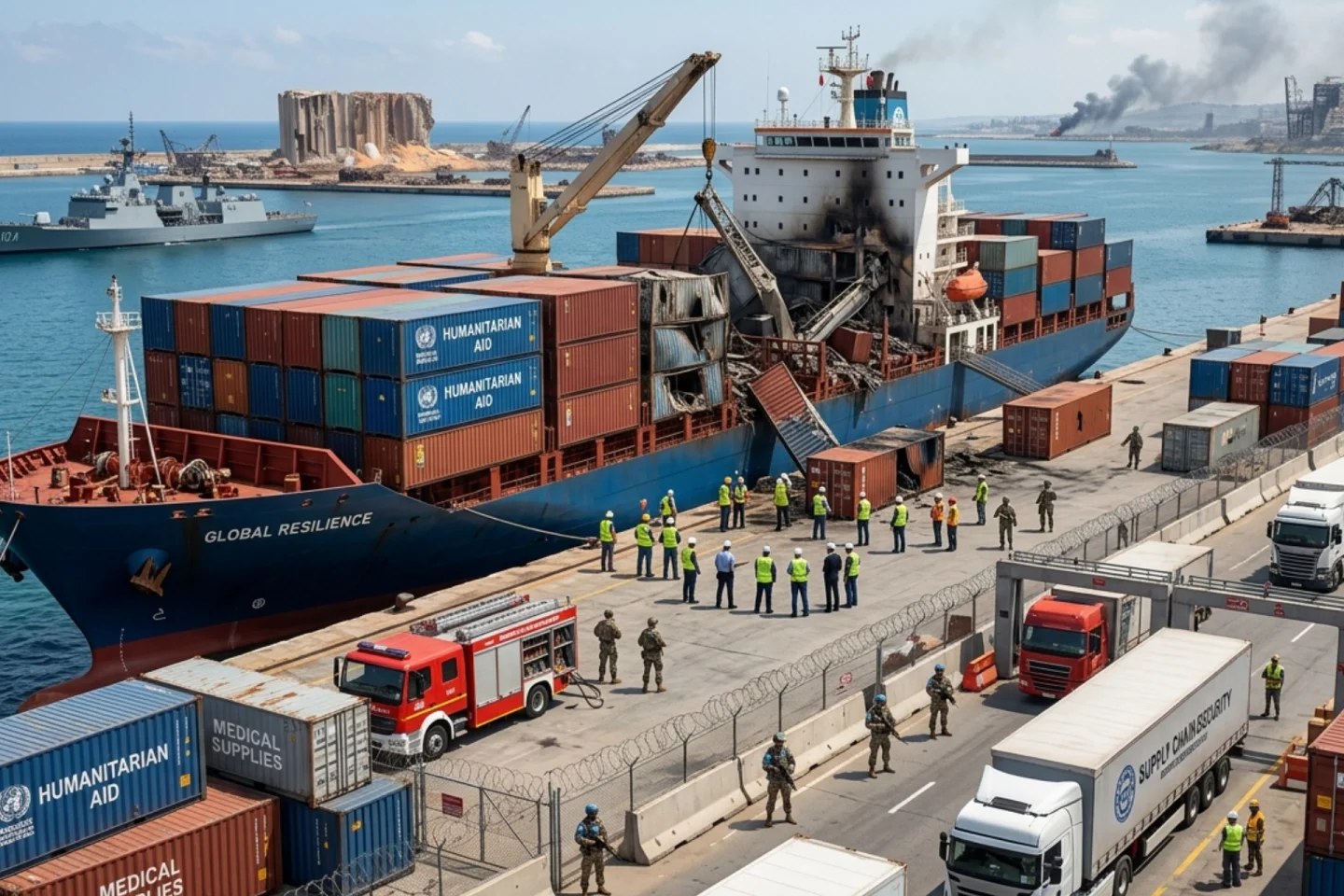
Supply Chain Disruptions During War: Challenges & Solutions
Explore how war impacts global supply chains and what strategies companies use to overcome disruptions. In today’s volatile environment, businesses must adapt quickly to maintain stability and continuity.
Major Challenges in War-Time Supply Chains
War zones disrupt transportation networks, damage infrastructure, and restrict access to key trade routes. These challenges lead to delayed shipments, increased costs, and uncertainty in global markets.
Shortage of Raw Materials
Conflicts often limit access to essential raw materials, especially when major exporting countries are involved. This results in production slowdowns and increased dependency on alternative sources.
Strong supply chains are built on flexibility, not just efficiency.Industry Insight
Rising Transportation and Operational Costs
Fuel price volatility and longer shipping routes significantly increase logistics expenses. Companies must balance cost management with maintaining delivery timelines.
Strategic Solutions for Businesses
Companies are diversifying suppliers, investing in local sourcing, and using digital tools like AI and real-time tracking to minimize disruptions and improve decision-making.
Building Resilient Supply Chains
The future of supply chain management lies in resilience. Businesses are focusing on flexibility, risk assessment, and contingency planning to ensure smooth operations during crises.