
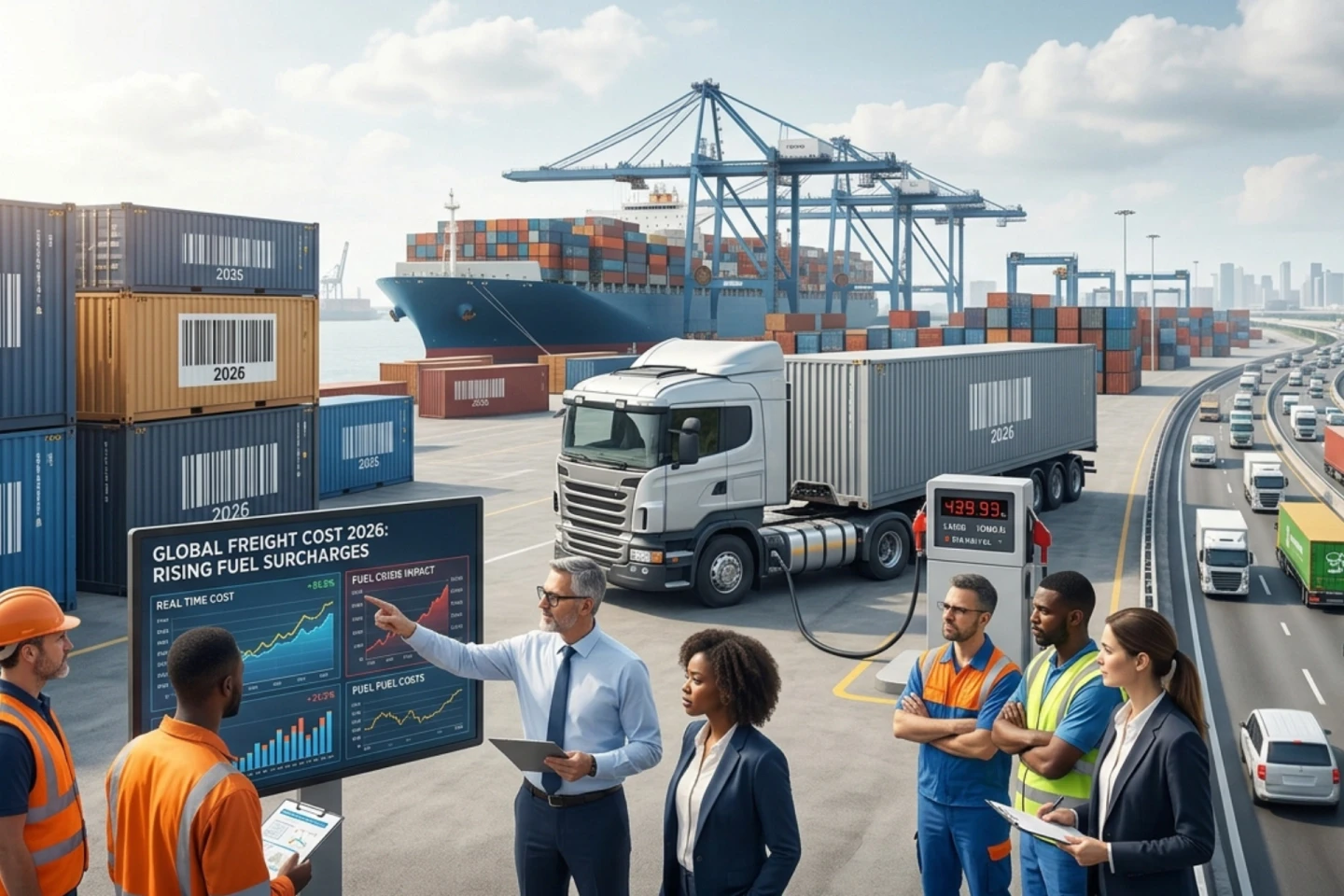
Fuel Crisis and Its Impact on Global Freight Costs in 2026
Rising fuel prices in 2026 have become one of the biggest challenges in the global logistics industry. Ongoing geopolitical tensions and supply disruptions in oil-producing regions are pushing fuel costs to record highs.
Since fuel is a major operational expense in logistics, even small increases in price can significantly impact shipping costs. Businesses are now facing higher transportation charges across air, sea, and road freight.
Why Fuel Prices Are Rising
Conflicts in key oil-producing regions have reduced supply and created uncertainty in global energy markets. Trade restrictions and sanctions are further tightening fuel availability.
Impact on Freight Costs
Logistics companies are forced to increase freight charges to offset fuel expenses. Air cargo rates have surged significantly, while sea freight is also experiencing steady cost increases.
“Fuel price volatility is now the biggest cost driver in global logistics operations.”Logistics Industry Report 2026
How Businesses Are Adapting
Companies are adopting fuel-efficient transportation methods, optimizing routes, and using advanced logistics software to minimize fuel consumption.
Many businesses are also shifting towards multimodal transport solutions, combining air, sea, and land freight to balance cost and efficiency.
Future Outlook
The future of logistics will depend on how well companies adapt to fluctuating fuel prices. Investments in green energy, electric vehicles, and alternative fuels are expected to play a major role in reducing dependency on fossil fuels.