
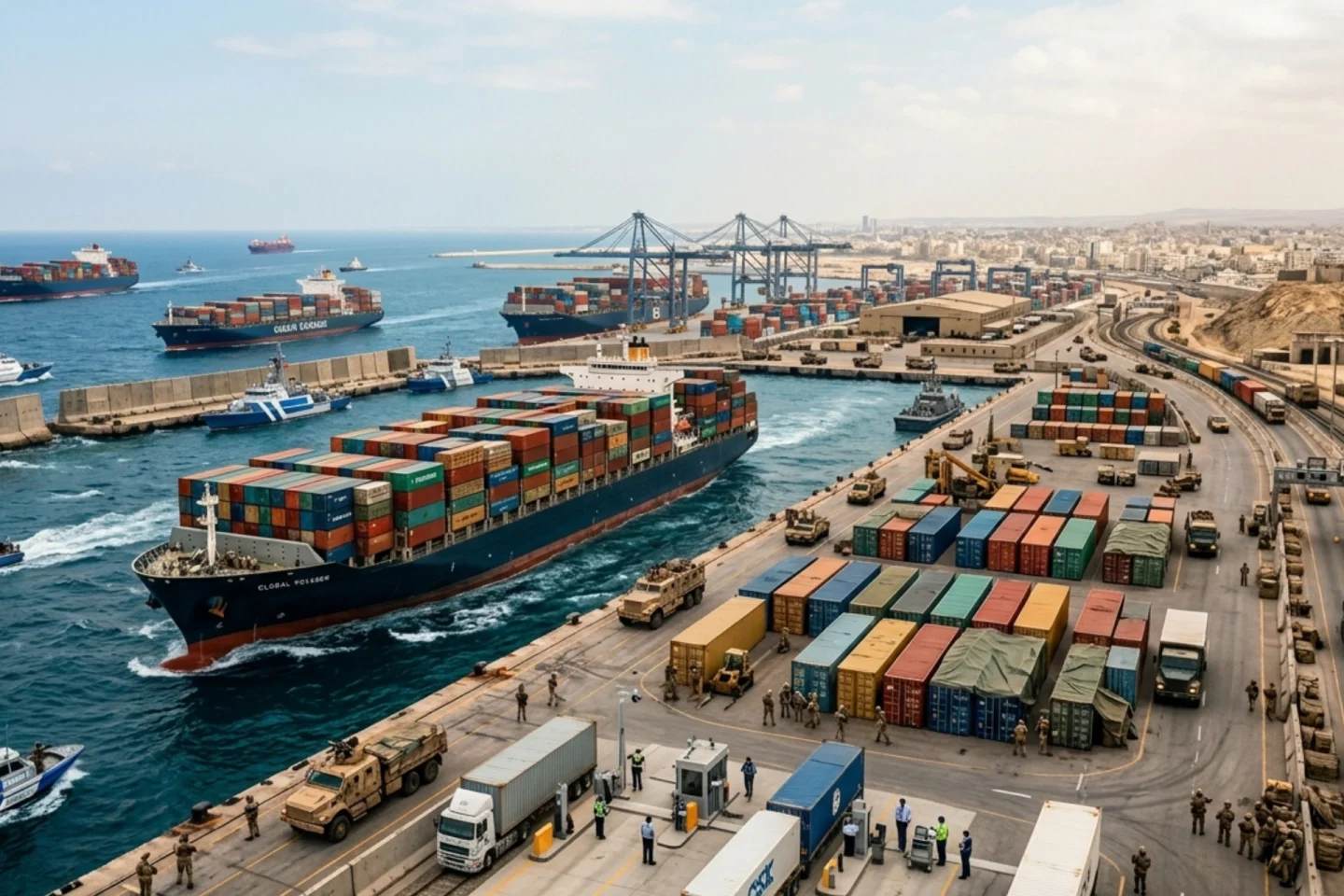
How War Zones Are Reshaping Global Logistics Networks
Discover how ongoing conflicts are forcing logistics companies to redesign global shipping routes and supply chains. In 2026, war zones and geopolitical tensions are dramatically transforming how goods move across continents.
Redesigning Global Shipping Routes
Active conflict zones are making traditional trade routes unsafe. Shipping companies are now rerouting cargo through longer and more secure paths, increasing delivery times and operational complexity.
Increased Transportation Costs
War-driven fuel shortages and rising oil prices are pushing logistics costs higher. Air freight, sea freight, and land transport are all experiencing cost surges, affecting global trade margins.
In times of conflict, adaptability becomes the strongest asset in logistics.Logistics Insight
Supply Chain Instability
Manufacturers and retailers are facing major disruptions due to delayed shipments and restricted access to raw materials. This has created a ripple effect across global supply chains.
Security & Compliance Challenges
Increased border checks, customs regulations, and security inspections are slowing down cargo movement. Companies must now comply with stricter international laws and documentation requirements.
Future of Logistics in Conflict Zones
To survive and grow, logistics companies are investing in technology such as AI-powered tracking, predictive analytics, and automated supply chain solutions. Flexibility and resilience are now key to success.